

Choosing the right Metal Shelf Brackets is far more complex than simply matching size and color. Load capacity, wall structure, material thickness, surface treatment, and installation environment all play critical roles in long-term safety and performance. This in-depth guide explores how to evaluate, select, and apply metal shelf brackets for residential, commercial, and industrial shelving systems. Whether you're a contractor, distributor, or end user, this guide will help you make confident decisions backed by engineering logic.
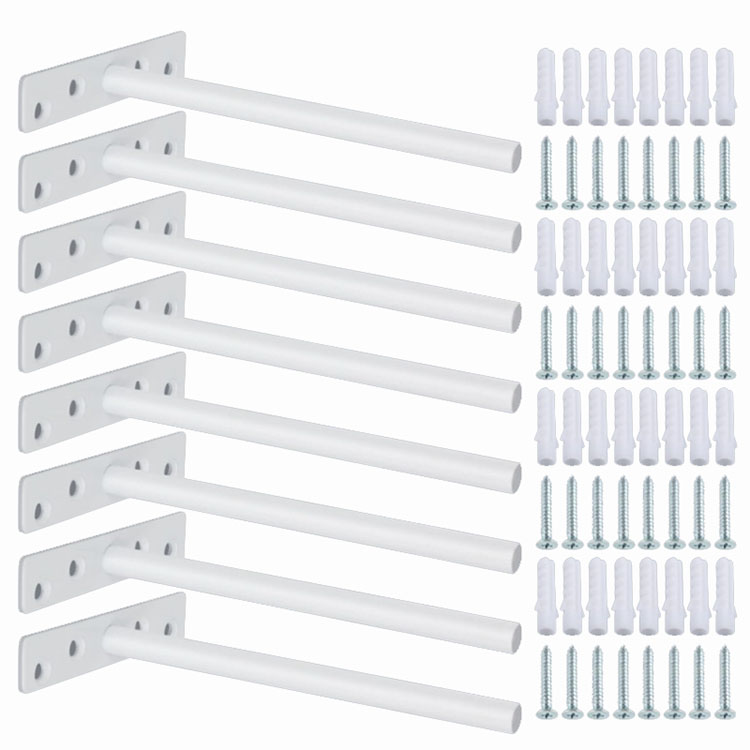
Metal Shelf Brackets are structural support components designed to hold shelves securely against vertical surfaces such as walls, panels, or frames. Unlike plastic or wooden alternatives, metal shelf brackets are engineered to withstand higher loads, resist deformation, and maintain stability over time.
Typically manufactured from steel, stainless steel, or iron, these brackets are widely used in homes, retail stores, warehouses, kitchens, and industrial facilities. According to Huimei’s metal shelf bracket specifications, modern designs emphasize both strength and aesthetics, making them suitable for visible and concealed installations.
Shelf failure is rarely caused by the shelf board itself. In most cases, the weak point is the bracket. Poor-quality or mismatched metal shelf brackets can lead to wall damage, product loss, or even safety hazards.
Investing in the right metal shelf brackets is not just about strength—it’s about system reliability.
Always calculate the combined weight of shelf material and stored items. Heavy duty metal shelf brackets are designed with reinforced ribs and thicker steel to handle higher stress.
The depth of the bracket should match at least 70% of the shelf depth to prevent tipping or sagging.
Thicker metal generally equals higher load resistance. Industrial-grade metal shelf brackets often exceed 4mm thickness.
Load capacity depends on multiple variables:
Professionally manufactured metal shelf brackets from companies like Huimei undergo load testing to ensure rated capacity aligns with real-world usage.
Choosing the right material and finish improves both durability and appearance:
Not all walls are created equal. Proper anchor selection is as important as the metal shelf brackets themselves.
Metal shelf brackets are used across multiple sectors:
| Bracket Type | Material | Load Capacity | Best Use Case |
|---|---|---|---|
| Standard L-Bracket | Steel | 30–50 kg | Home shelving |
| Heavy Duty Reinforced | Thick Steel | 80–150 kg | Garage & warehouse |
| Decorative Bracket | Iron | 20–40 kg | Interior design |
At the manufacturing level, precision determines performance. Huimei applies strict dimensional control, robotic welding, and surface treatment standards to ensure each metal shelf bracket meets structural and aesthetic expectations.
This commitment to quality supports distributors, OEM buyers, and project contractors who demand consistency at scale.
Yes. Metal shelf brackets provide superior strength, longer lifespan, and better resistance to environmental changes.
Typically every 400–600mm, depending on load and shelf material.
Yes, especially when powder-coated or made from stainless steel.
For heavy-duty or commercial applications, professional installation is recommended.
Selecting the right Metal Shelf Brackets is a balance between engineering, application, and aesthetics. When designed and manufactured correctly, they become invisible heroes supporting safety, efficiency, and design integrity.
If you are sourcing reliable metal shelf brackets for wholesale, OEM, or project use, Huimei offers engineered solutions tailored to real-world demands. Contact us today to discuss your requirements, customization options, and long-term supply support.


